
What does a Game Artist do?
Game artists create the visual elements that make up a game’s world: characters, environments, props, textures, UI elements, and more. The role can specialise into sub-disciplines such as concept art, environment art, character art, or technical art, but many artists in smaller studios are generalists. Game artists work within the constraints of game engines and the platforms they run on, such as mobile phones or game consoles. In Australia, game artists are employed by studios of all sizes, from indie teams of two or three to larger studios, and increasingly by companies developing serious games, educational games, or simulations.
What does a typical day look like for a Game Artist?
A game artist’s day typically starts by reviewing feedback from the previous day’s art review or “art pass.” They will then work in 3D software such as Maya or Blender to build or refine assets, using reference images gathered from mood boards. Texturing is done in tools like Substance Painter, and work is integrated into the game engine to check how it looks in the actual game. Artists attend regular art reviews with the art director and participate in cross-discipline meetings with designers and programmers. They iterate constantly based on technical limits such as polygon budgets or texture memory and communicate closely with their team.
9:00 AM
Check email and overnight feedback from art director; open the day’s task list in JIRA
9:30 AM
Team standup — five to ten minutes reviewing progress, blockers, and priorities for the day
9:45 AM
Open Maya to continue modelling a mid-range environment asset (a market stall), refining geometry based on yesterday’s art pass notes
12:00 PM
Lunch break
1:00 PM
Move the completed model into Substance Painter to begin texturing, building out colour, roughness, and normal maps
3:00 PM
Import the textured asset into Unreal Engine to check how it reads in the actual game lighting; adjust texture values accordingly
3:45 PM
Art review session with the art director and two other artists — present the asset, receive feedback, note revisions needed
4:30 PM
Apply revision notes: push wear and tear on the wood texture, reduce specular intensity on the fabric
5:30 PM
Upload final version to Perforce, update task status in JIRA, add review notes for tomorrow
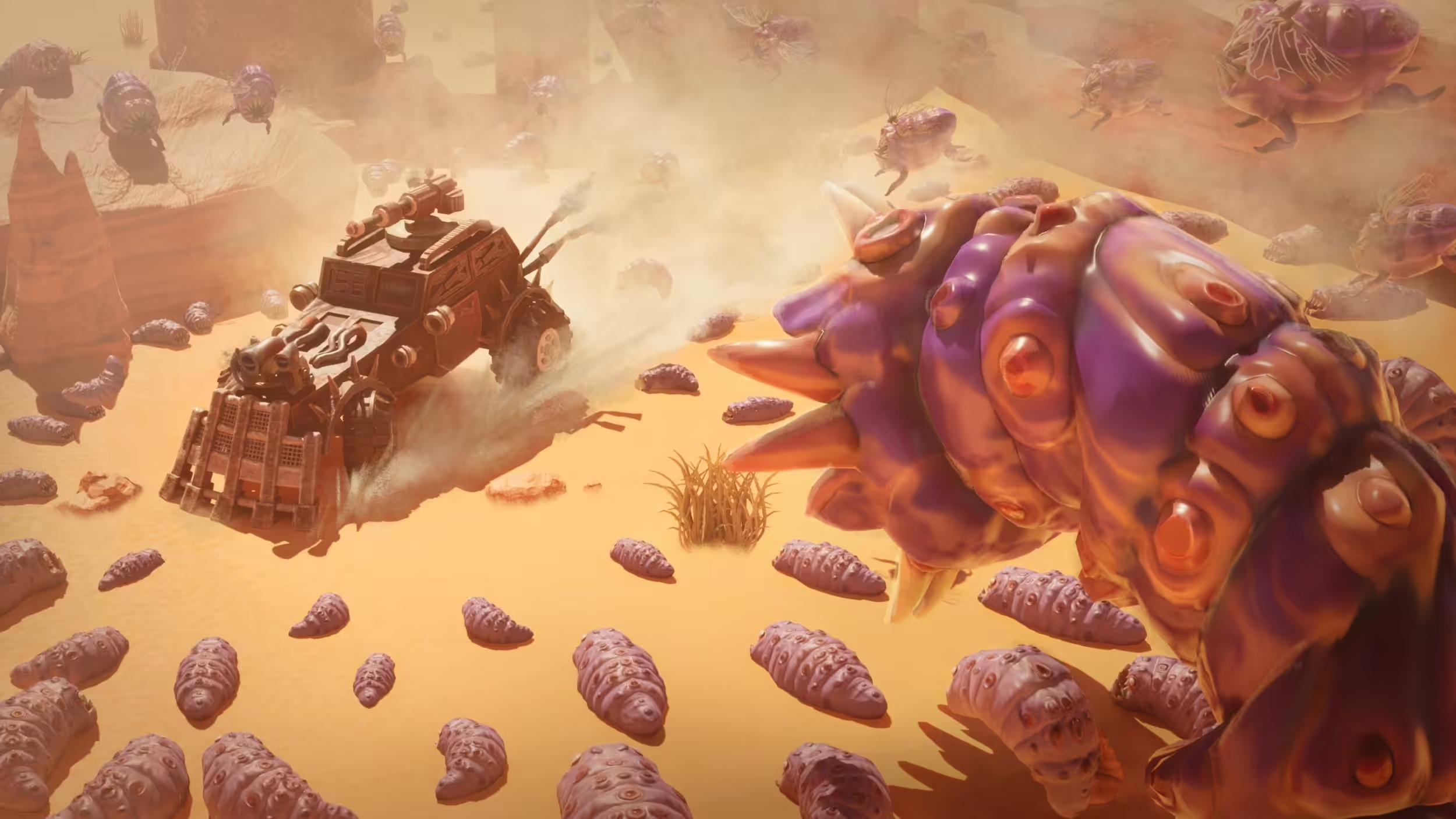
What Should I Be Able to do as a Game Artist
Skills
- Create high-quality 3D models, textures, and environments in Maya or Blender
- Sculpt characters and organic forms in ZBrush or Mudbox
- Paint physically based textures using Substance Painter
- Integrate and review assets in Unreal Engine or Unity
- Maintain consistent visual style across a project
- Optimise assets for real-time performance (polygon count, texture memory)
- Build and maintain an online portfolio (e.g. ArtStation)
Knowledge
- Foundational art principles: proportion, colour theory, light, and form
- Real-time 3D production pipeline and workflow
- Physically based rendering (PBR) theory and practice
- Polygon budgets and technical constraints for games
- Anatomy, both human and animal, to create realistic and fantastic characters and creatures
- Art direction and visual consistency across large projects
- Differences between game art and film/VFX pipelines
Typical salaries for Game Artist in Australia
All salaries are approximates based on recently advertised positions in Australia.
$0k
Entry-level (0–3 years)
$0k
Mid-career (4–9 years)
$0k
Senior (10+ years)
Software used by 3D Animators
The software used by Game Artists is highly specialized. The more platforms you are trained in, the more valuable you will be to an employer. Game Artists may need knowledge of a combination of the following software.

Maya for 3D Modelling, rigging, animating, lighting and rendering

ZBrush for High-detail sculpting and texturing

Adobe Photoshop for Concept art and texture maps

Unreal Engine for Game development

Unity Engine for Game development

Substance Painter for High detail materials and texturing
Substance Designer for Creating custom materials

Marmoset Toolbag for Look development, light and render pipelines
How to Get a Job as a Game Artist
- Build an online portfolio on ArtStation showing your strongest work
- Participate in community art challenges and game jams
- Create fan art or personal projects that show your artistic style
- Study anatomy, lighting, and colour theory formally or independently
- Share your process through breakdowns and timelapse videos
- Network at industry events such as PAX Australia or GCAP
- Contribute to open-source or student game projects to gain experience, credits, and expand your network
AIE courses for Game Artists
Do you have what it takes to be a Game Artist?
Read the points below and if these sound like you, 3D animation could be a great option!
- You have always been drawn to making things. Whether digital or traditional, you spend time creating visual work because you enjoy it.
- You notice the visual design of games you play. You pay attention to how characters are designed, why an environment feels believable, how colour and lighting create mood, or why a particular art style is memorable.
- You are comfortable learning technical tools. Game artists use complex 3D software. You do not need to know these tools already, but you need to embrace learning new technology.
- You care about craft and quality. You look at your own work with a critical eye and want to improve it.
- You are willing to work within constraints. Polygon budgets, texture memory limits, and visual style guidelines shape every decision. If you can find creative satisfaction within tight parameters, you will thrive.
- You enjoy the process of refinement and iteration. Getting from a rough 3D block out to a polished, textured game asset takes many hours of work. If you find this process satisfying rather than tedious, this may be the role for you.
- You are interested in both the art and the technology. The best game artists understand why things are built the way they are technically, not just how to make them look good.
A strong portfolio will always matter more than formal qualifications when applying for game art roles. The habit of making work independently — fan art, personal projects, game jam assets — is one of the best indicators that you are suited to this path. If you already have a sketchbook, a folder of digital work, or 3D models you have made just for yourself, you are already thinking like a game artist.
Hear from Game Artists
Behind the Screens: Game Artist & Illustrator Jacques...
The Best of 2024...
AI & Technology – What it means for...
What does a Technical Artist do? Hear from...
Welcome to 2024 with AIE...
Women in Games with AIE...
3D Artist: AIE with William Minter...
Art Director: AIE with Ryan McMahon...
Meet the Expert Character Artist: Cezar Brandao...
Meet the Art Director: Oscar Berman...
Student Takeover: Game Major Project...
Meet the Fast Tracked Student: Elise Vohradsky...
Meet the Team: Me Myself & Die...
My Journey into Game Cinematics – Jacob King...
My Journey into Character Art – Benjamin Retter...
My Journey into Mighty Kingdom Games – Phoebe...
My Journey Becoming a 2D Game Artist –...
My Journey into 3D Simulation – Madeleine James...
My Journey into Technical Art – Annabelle Macfarlane...
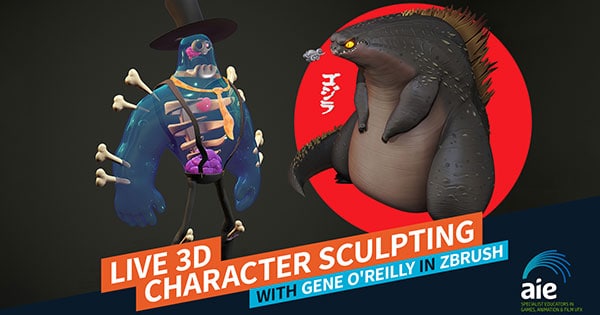
Live 3D Character Sculpting with Gene O’Reilly...
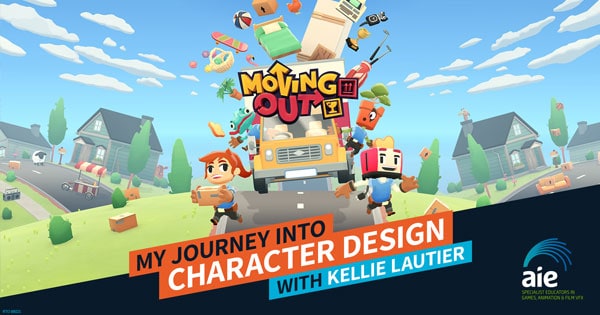
My Journey into Character Design – Kellie Lautier...
How to become a Game Artist
- Bachelor of Game Development (Major in Game Art, includes animation) – AIE Institute (CRS1400953)
- Advanced Diploma of Professional Game Development (Game Art & Animation) – AIE (11151NAT)
- Game Art Foundations – Certificate III in Screen and Media (CUA31020)
- 3D Animation Foundations – Certificate II in Creative Industries (CUA20220)
Upcoming Events
Discover more at one of our events
AIE runs campus and online events throughout the year and we encourage students to attend. AIE also broadcast regular livestreams with our alumni and industry professionals that provide insight into future career paths.
Open Day
November 21, 2026
Discover the courses designed to get you started in game development, 3D animation and visual effects at the AIE Open Day. Find out about full-time and part-time courses starting soon.
Starts at 10am
Roles Related to Game Artist in the Industry
Find out more
Download our course guide to see how we can help you on your pathway to your dream career.
Get Your Course Guide and Take the First Step
There’s a lot more to explore in the full course guide, and our admissions team will be there to help if you have any questions.
"*" indicates required fields