Game Art Career Paths
See the career pathsExplore Game Art career paths
Explore Game Art career pathways and find ways to enter the Game Art industry. Learn about how the industry works and discover the exciting jobs on offer. Read more about the day to day life of Game Art professionals.
Character Artist
View Career PathGame Artist
View Career PathOverview
Game Art career path information
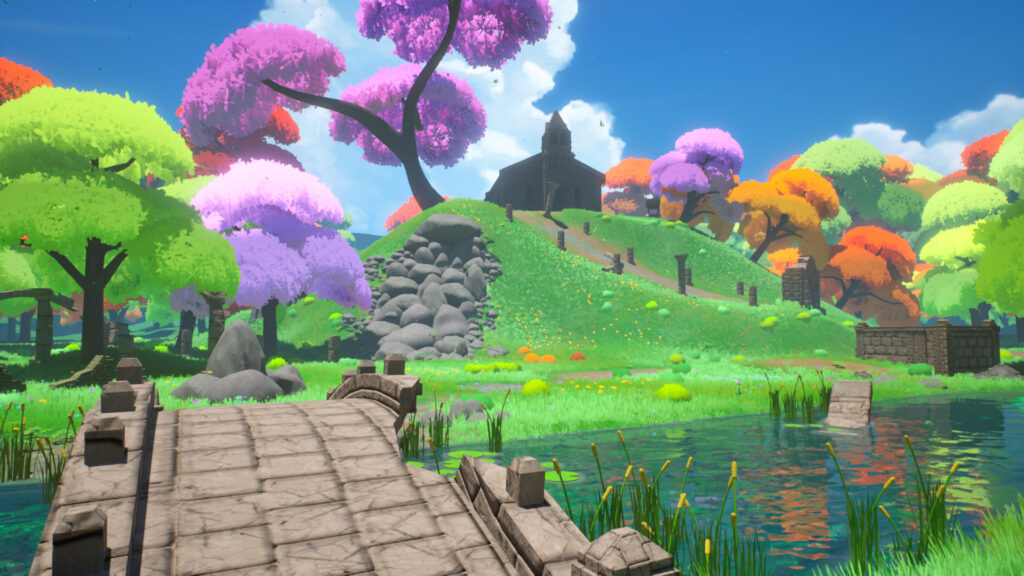
A career in Game Art offers a pathway into one of the most creative and fast-growing areas of the games and interactive entertainment industry. From designing characters and environments to creating 3D models, textures, lighting, and visual effects, Game Artists play a key role in bringing video games to life.
The pages listed above explore a range of careers across Game Art, 3D animation, and VFX, helping you understand what these professionals actually do, what a typical day in the studio looks like, and the skills needed to succeed in the industry. You’ll also find insights into typical salaries, the software used in professional studios, and the study pathways available to help you get qualified. These guides also explain how to build a strong portfolio, how to get your first job in the industry, and include expert advice from professionals currently working in Game Art, animation, and visual effects, along with related creative career pathways.
Game Art FAQ
What is Game Art?
Game Art is the process of creating the visual elements used in video games, including characters, environments, props, animations, visual effects, user interfaces, and textures. Game Artists combine creativity with technical skills to create immersive worlds and experiences for players. At AIE, students learn industry-standard workflows and develop practical skills in 3D modelling, character creation, environment art, animation, lighting, and visual effects used in modern game development.
How do I become a Game Artist?
Most Game Artists start by completing specialised training in game art, building a professional portfolio, and gaining experience working on collaborative game projects. Employers typically place significant emphasis on a candidate’s portfolio and practical skills. AIE’s Game Art courses are designed to help students develop industry-relevant skills while building a portfolio that showcases their abilities to potential employers.
Do I need a degree to work in Game Art?
While some Game Artists enter the industry through diploma-level qualifications, others choose to complete a bachelor degree. What matters most to employers is your portfolio, technical ability, and experience creating game-ready assets. AIE offers both Advanced Diploma and Bachelor Degree pathways, allowing students to choose the qualification that best matches their career goals.
What software do Game Art students learn?
Game Art students commonly learn industry-standard software such as Autodesk Maya, Adobe Photoshop, Substance Painter, ZBrush, Unreal Engine, and Unity. These tools are widely used throughout the games industry for creating characters, environments, textures, animations, and visual effects. AIE teaches students using the same software and workflows used by professional game development studios.
What jobs can I get with a Game Art qualification?
A Game Art qualification can lead to a range of creative careers, including Game Artist, Character Artist, Environment Artist, 3D Artist, Animator, Technical Artist, Visual Effects Artist, Prop Artist, and Lighting Artist. Graduates may work in game development studios, animation companies, visual effects studios, simulation companies, or emerging industries such as virtual reality (VR) and augmented reality (AR).
What will I learn in a Game Art course?
Game Art courses typically cover topics such as 3D modelling, character design, environment art, texturing, lighting, animation principles, visual effects, game asset optimisation, portfolio development, and game production pipelines. Students also work on collaborative projects with game designers and programmers to simulate real-world game development environments.
Is Game Art a good career choice?
Game Art can be an exciting and rewarding career for creative people who enjoy art, technology, and games. The skills developed through Game Art training are also increasingly valuable in industries such as film, visual effects, architecture, simulation, virtual production, virtual reality, and product visualisation. As interactive entertainment continues to grow globally, demand remains strong for talented artists who can create high-quality digital content.
Do I need a portfolio to study Game Art?
Many advanced Game Art programs include an interview process where applicants can share examples of their creative work. However, you do not necessarily need a professional portfolio to begin your studies. AIE encourages applicants to discuss their experience and creative interests with the admissions team and helps students develop a professional portfolio throughout their studies. See the our entry requirements here.
How long does it take to become a Game Artist?
The time required depends on your chosen study pathway and how quickly you develop your skills. Students may begin with foundation-level training before progressing to diploma or degree qualifications. At AIE, students can study Game Art through pathways ranging from introductory courses through to Advanced Diploma and Bachelor Degree programs that prepare graduates for industry employment.
Why should I study Game Art at AIE?
AIE specialises in games, animation, visual effects, and filmmaking education, with courses developed alongside industry professionals. Students learn in studio-style environments using industry-standard software and hardware while working on collaborative projects that mirror real game development production. AIE graduates have gone on to work for leading game studios, visual effects companies, and creative technology organisations around the world.
What our graduates say
Turn your passion into a profession
AIE graduates work at the top studio worldwide and have worked on the biggest games and films!