Game Programming Career Paths
See the career pathsExplore Game Programming career paths
Explore Game Programming career pathways and find ways to enter the Game Programming industry. Learn about how the industry works and discover the exciting jobs on offer. Read more about the day to day life of Game Programming professionals.
Game Programmer
View Career PathGameplay Programmer
View Career PathOverview
Game Programming career path information
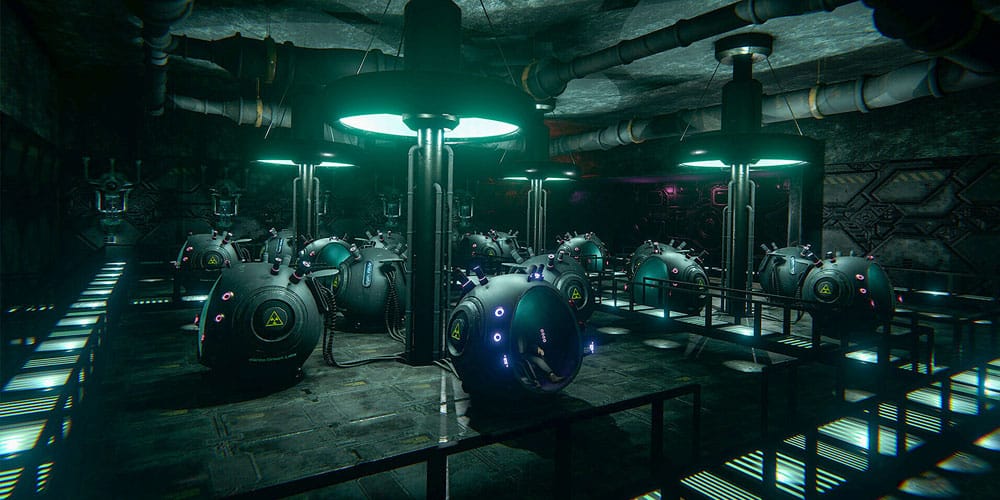
Game Programming is a key career pathway in the game development industry, focused on writing the code and building the systems that power interactive games and real-time experiences. Game Programmers are responsible for creating gameplay mechanics, physics systems, artificial intelligence, user interfaces, tools, and performance optimisation that allow games to run smoothly across different platforms. A career in Game Programming can lead to roles such as Gameplay Programmer, Engine Programmer, Tools Programmer, AI Programmer, or Online Systems Programmer within game studios and interactive entertainment companies.
The pages listed above also explore wider careers across 3D animation and VFX, helping you understand how programming fits within the broader production pipeline. You’ll discover what these professionals do, what a typical day in the industry looks like, and the expected salary ranges across different roles. These guides also cover the software, engines, and programming languages used in professional studios, how to get qualified through study pathways, and how to secure your first job in the industry. You’ll also gain insights from working industry experts and explore related fields that connect Game Programming with Game Design, Game Art, and visual effects.
Game Programming FAQ
What is game programming?
Game programming is the process of writing the code that makes video games function, including gameplay mechanics, physics, artificial intelligence, input systems and performance optimisation. At AIE, Game Programming students learn how to build playable games using industry-standard engines such as Unity and Unreal Engine while working in collaborative development teams. More information about AIE’s Game Programming pathway can be found here:
What will I learn in a game programming course?
A Game Programming course teaches you how to design and develop interactive games through coding and software development. At AIE, students learn programming fundamentals, gameplay systems, physics simulation, AI behaviour, networking basics and optimisation techniques. Students also work on multiple game projects that simulate real industry production pipelines.
What careers can I get with a game programming qualification?
A game programming qualification can lead to careers such as Gameplay Programmer, AI Programmer, Tools Programmer, Engine Programmer and Software Developer. Graduates may work in game studios, interactive media companies or broader software development roles, depending on their skills and specialisation.
Do I need coding experience to study game programming?
No prior coding experience is required to study Game Programming at AIE. Courses are designed to support beginners while also challenging students with some prior experience. Students are taught programming fundamentals from the ground up, starting with core logic, scripting and problem-solving skills before progressing to more advanced systems.
What programming languages do game developers use?
Game developers commonly use languages such as C++, C# and Python depending on the engine and role. At AIE, students typically work with industry-standard tools such as Unity (C#) and Unreal Engine (C++) to build real-time interactive applications and games.
What software and game engines will I use?
Game Programming students at AIE work with professional game engines and development tools including Unity and Unreal Engine. These platforms are widely used across the global games industry and allow students to build, test and deploy fully playable game projects as part of their studies.
How long does it take to become a game programmer?
The time it takes to become a game programmer depends on your study pathway and experience level. At AIE, students can complete structured game programming qualifications over one to three years, building a portfolio of projects that demonstrate their coding ability and understanding of game development systems.
What is the difference between game programming and game design?
Game programming focuses on building the technical systems that make games work, while game design focuses on creating gameplay ideas, mechanics and player experiences. At AIE, Game Programming students collaborate with Game Design and Game Art students to create complete games in team-based production environments.
Do I need a portfolio to get into game programming?
A formal portfolio is not always required for entry into AIE’s Game Programming courses, but any examples of coding projects, mods or creative technical work can be helpful when chatting with the admissions team. AIE focuses on problem-solving ability, interest in games and willingness to learn programming skills.
Is game programming a good career in Australia?
Game programming can be a strong career path for people who enjoy problem-solving, logic and building interactive systems. Australia has a growing games and interactive media industry, with opportunities in indie studios, large development teams and adjacent software sectors. Strong programmers are in demand across both games and broader technology industries.
What our graduates say
Turn your passion into a profession
AIE graduates work at the top studio worldwide and have worked on the biggest games and films!