Game Design Career Paths
See the career pathsExplore Game Design career paths
Explore Game Design career pathways and find ways to enter the Game Design industry. Learn about how the industry works and discover the exciting jobs on offer. Read more about the day to day life of Game Design professionals.
Game Designer
View Career PathLevel Designer
View Career PathOverview
Game Design career path information
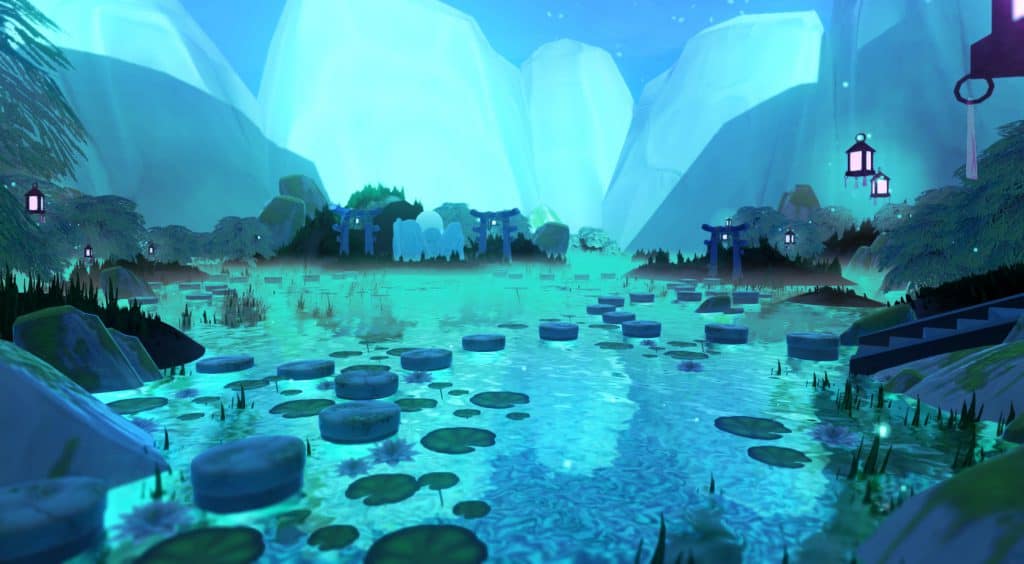
Game Design is at the heart of the interactive entertainment industry, shaping how players experience, engage with, and enjoy video games. A career in Game Design can lead to roles such as Game Designer, Level Designer, Systems Designer, Narrative Designer, or UX Designer, all focused on building gameplay mechanics, interactive systems, and compelling player experiences.
The pages listed above also provide broader insights into careers across 3D animation and VFX, helping you understand how game development teams work together to bring ideas to life. You’ll learn what these professionals actually do, what a typical day in the industry involves, and the kinds of salaries you can expect across different roles. These guides also explore the software used in modern game development such as Unity and Unreal Engine, as well as the qualifications needed to get started and how to build the skills required to secure your first job.
You’ll also find expert insights from industry professionals and discover related creative fields that connect Game Design with Game Art, animation, and visual effects.
Game Design FAQ
What is game design?
Game design is the process of creating the rules, systems, mechanics and player experiences that make up a video game. At AIE, Game Design students learn how to design engaging gameplay, levels, narratives and user experiences while working closely with Game Artists and Game Programmers as part of a collaborative development pipeline. You can explore AIE’s Game Design course overview here.
What will I learn in a game design course?
A Game Design course teaches how to design interactive experiences from concept through to playable prototypes. At AIE, students learn areas such as level design, narrative design, systems design, user experience (UX), prototyping and playtesting. Courses are structured around hands-on project work so students graduate with a portfolio of game projects developed in industry-style teams.
What careers can I get with a game design qualification?
A game design qualification can lead to careers such as Game Designer, Level Designer, Narrative Designer, Systems Designer, UX Designer and Producer. AIE highlights game design as a core discipline within its broader Game Design & Production courses, preparing students for roles across the games industry and interactive media sectors.
Do I need experience to study game design?
No prior experience is required to study Game Design at AIE. Courses are designed for beginners as well as students who already have creative or technical experience. Applicants are assessed through an interview process where AIE looks at your interest in games, creativity and willingness to learn rather than prior technical ability.
What software and tools do game design students use?
Game Design students at AIE use industry-standard tools such as Unity, Unreal Engine and other production software used in modern game development pipelines. Students also use prototyping tools, documentation systems and collaboration platforms to simulate real studio environments and workflows used in the games industry.
How long does it take to become a game designer?
Most students follow a structured study pathway over one to three years depending on the qualification level. At AIE, students can study game design through vocational or higher education pathways, gaining hands-on experience through multiple game projects that build a professional portfolio over time.
What is the difference between game design and game development?
Game design focuses on creating the gameplay experience, systems and rules of a game, while game development is a broader term that includes programming, art creation and production. At AIE, Game Design students work alongside Game Art and Game Programming students to bring complete games to life in collaborative studio environments.
Do I need a portfolio to get into a game design course?
A formal portfolio is not always required for entry into AIE’s Game Design courses, but demonstrating creativity through sketches, game ideas, mods or other creative work can help the admissions team discuss your application. AIE focuses on potential and passion for games rather than requiring polished industry-level work at entry.
What makes AIE’s game design course different?
AIE’s Game Design courses are built around hands-on production in real studio environments, where students create multiple playable games as part of their studies. Courses are developed with industry input and delivered by experienced game developers. You can view course details here.
Is game design a good career in Australia?
Game design can be a strong career path for students who are passionate about interactive media, creativity and problem-solving. Australia has a growing games industry with opportunities across indie studios, AAA development teams and interactive media companies. Success typically depends on building strong design skills, teamwork abilities and a professional portfolio through practical study and experience.
What our graduates say
Turn your passion into a profession
AIE graduates work at the top studio worldwide and have worked on the biggest games and films!