Filmmaking Career Paths
See the career pathsExplore Filmmaking career paths
Explore Filmmaking career pathways and find ways to enter the Filmmaking industry. Learn about how the industry works and discover the exciting jobs on offer. Read more about the day to day life of Filmmaking professionals.
Director
View Career PathProduction Coordinator
View Career PathOverview
Filmmaking career path information
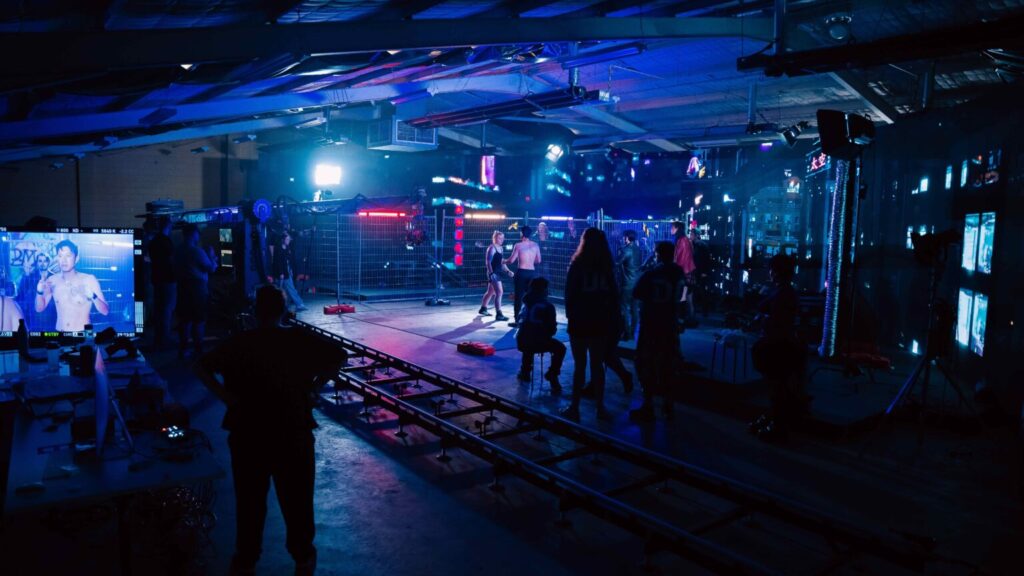
The filmmaking industry offers a wide range of exciting and creative career opportunities, from directing and cinematography to editing, visual effects, production design, and post-production. Whether you’re interested in creating feature films, television productions, documentaries, commercials, or digital content, understanding the different filmmaking career pathways can help you find the role that best matches your skills and interests.
The career guides featured above provide detailed insights into filmmaking jobs and related screen production careers, including what professionals do on a day-to-day basis, what a typical workday involves, average salaries, and the software and tools commonly used throughout the industry. You’ll also discover how to gain the qualifications and practical skills employers are looking for, how to secure your first filmmaking job, and expert advice from industry professionals currently working in the field.
Explore each guide to learn about related careers and start planning your future in the dynamic world of filmmaking.
Filmmaking FAQ
What is filmmaking?
Filmmaking is the process of developing, producing and delivering visual stories for film, television, streaming platforms and digital media. It combines creative disciplines such as directing, cinematography and storytelling with technical skills including editing, sound production and visual effects. At AIE, filmmaking also incorporates emerging virtual production technologies that are transforming how films and screen content are created.
What will I learn in a filmmaking course?
A filmmaking course teaches the complete production pipeline, from script development and pre-production through to filming, editing and post-production. Students typically learn directing, cinematography, screenwriting, sound recording, colour grading and production management. AIE’s Filmmaking course also includes virtual production, LED volume filmmaking, live compositing and Unreal Engine workflows, providing experience with both traditional and modern production techniques.
What careers can a filmmaking qualification lead to?
A filmmaking qualification can lead to a wide range of careers across film, television, streaming and digital media production. Potential career outcomes include Director, Producer, Cinematographer, Film Editor, Camera Operator, Production Manager, Sound Designer, Virtual Production Director and Compositor. AIE’s filmmaking course outlines numerous career pathways that students can pursue after graduation.
Do I need previous experience to study filmmaking?
No. Many filmmaking students begin their study with little or no previous experience. What matters most is a passion for storytelling, creativity and a willingness to learn. AIE assesses applicants through an interview process and reviews examples of creative work to understand their interests and suitability for the course rather than expecting extensive industry experience.
What equipment and software do filmmaking students use?
Professional filmmaking students use industry-standard cameras, lighting equipment, audio recording tools and post-production software. At AIE, students have access to technologies including LED virtual production studios, cinema cameras, professional lighting equipment, DaVinci Resolve for editing and post-production, and Unreal Engine for in-camera visual effects and virtual production workflows.
How long does it take to become a filmmaker?
There is no single path to becoming a filmmaker. Many aspiring filmmakers complete a specialised qualification while simultaneously building a portfolio and gaining production experience. AIE’s Advanced Diploma of Filmmaking is delivered over two years full-time, providing students with practical experience across multiple productions while developing industry-ready skills.
Do I need a portfolio to work in filmmaking?
A portfolio is one of the most important tools for demonstrating your skills to employers, clients and collaborators. Depending on your area of interest, a portfolio may include short films, editing projects, cinematography reels, screenplays or production work. AIE students develop an extensive portfolio of work throughout their studies that can be used when applying for industry opportunities.
What qualifications do I need to work in the film industry?
There is no universal qualification required to work in filmmaking. However, employers often look for candidates who have practical production experience, industry knowledge and a strong portfolio. Completing a specialised filmmaking qualification can help you develop professional skills, gain hands-on experience with industry-standard equipment and build a body of work that demonstrates your capabilities.
What makes AIE's filmmaking course different?
AIE’s filmmaking course combines traditional filmmaking with virtual production, allowing students to learn both established and emerging production techniques. Students work in industry-simulated studio environments, collaborate on real productions and gain experience using LED volume technology, Unreal Engine and professional filmmaking equipment. The course is designed with industry input and focuses on developing practical, job-ready skills.
Is filmmaking a good career?
Filmmaking can be a rewarding career for people who enjoy storytelling, creativity and collaboration. The industry offers opportunities to work across feature films, television, documentaries, advertising, streaming content and emerging virtual production environments. As technology continues to evolve, filmmakers with practical production experience and knowledge of modern tools and workflows are well positioned to pursue a variety of creative career opportunities.
What our graduates say
Turn your passion into a profession
AIE graduates work at the top studio worldwide and have worked on the biggest games and films!